The most popular Canadian wedding photography trends in 2026 are documentary (candid) coverage, film and hybrid shooting, true-to-colour natural-light editing, cinematic and editorial portraits, drone footage, and unplugged ceremonies with a second shooter. Below is what each trend means and what to check before you book.
Documentary and candid coverage
Documentary wedding photography is the most-requested style from Canadian couples in 2026. Instead of long sessions of stiff posing, the photographer follows the day as it unfolds and shoots candid moments – the first look, a parent’s reaction, guests laughing at the reception. Portraits still happen, but they’re quicker and more relaxed. The appeal is honesty: unposed images tend to age better than formal group shots. If you want candid wedding photography, check that the portfolio shows full real weddings, not just styled shoots.
Film and hybrid shooting
Film wedding photography is back, often shot alongside digital in a hybrid film setup. Couples like the softer grain and true-to-life colour of 35mm wedding photography, and some videographers add Super 8 footage for a nostalgic feel. It’s slower with fewer frames, so it’s usually an add-on rather than full coverage. If you want a film look, ask to see real scans from the photographer’s own weddings – not a digital filter made to imitate it.
True-to-colour, natural-light editing
Natural light wedding photography with true-to-colour editing is replacing the heavy filters and washed-out presets of past years. Canadian couples in 2026 are asking for real skin tones over moody, overexposed edits. This is mostly an editing choice, so the clearest way to judge it is the photographer’s most recent full galleries. Editing styles change fast, so look at work from the last year, not just the highlight portfolio.
Cinematic and editorial portraits
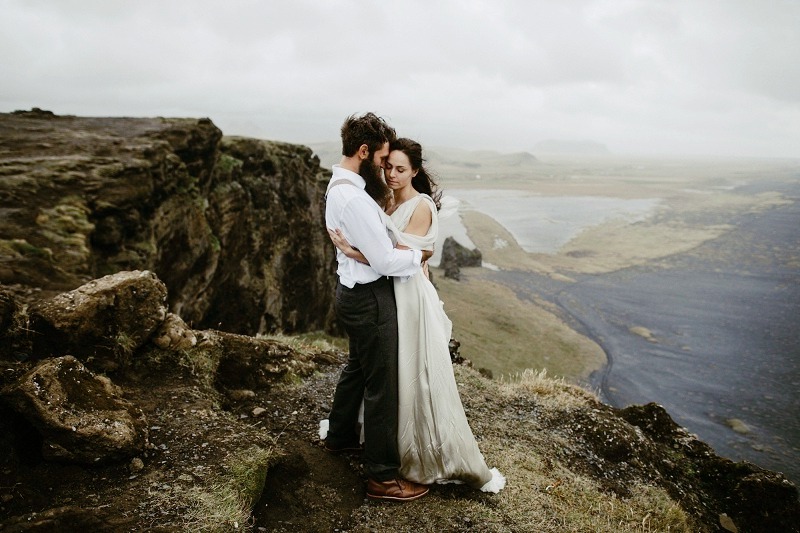
Editorial wedding photography is a strong 2026 trend, inspired by fashion-magazine lighting and film stills: dramatic shadows, intentional posing, and a styled, story-driven look. Cinematic wedding photography often leans on blue hour wedding photos and golden-hour light for richer colour. In and around Toronto, couples use spots like Polson Pier and the Scarborough Bluffs; others build the shoot around an architectural venue. This style is more directed than documentary work, so look for editing that stays consistent across a full gallery.
Drone photography
Drone wedding photography in Canada is legal but federally regulated by Transport Canada under the RPAS rules – not by individual cities or provinces. The drone (250 g-25 kg) must be registered, and the operator needs a valid pilot certificate.
Many downtown and near-airport venues sit in controlled airspace, which requires an Advanced certificate plus authorization, and filming at some events can need a Special Flight Operations Certificate. Before you book aerial wedding photos, ask whether the photographer is licensed and insured to fly at your specific venue.
Pre-wedding and engagement shoots
An engagement photo session is now a standard part of most Canadian photography packages. The pre-wedding photoshoot is booked weeks before the day and shot at locations that mean something to the couple – the place they met, a favourite city street, a cottage – rather than a generic park.
In cities like Toronto and Vancouver the trend grew through couples wanting a relaxed run-through before the wedding, and many photographers now include it by default. You get usable images for save-the-dates and a chance to get comfortable in front of the camera.
Unplugged ceremonies and second shooters
More Canadian couples are going unplugged – asking guests to put phones away during the ceremony so the photographer gets clean shots and guests stay present. At the same time, a second shooter is increasingly standard, covering both partners getting ready and catching reception moments the lead can’t be in two places for. Raise both early, since the second shooter affects the quote.
Destination wedding photography
A destination wedding photographer in Canada gives you strong natural backdrops to work with, and demand keeps growing. Some couples travel abroad – Iceland, Italy, Mexico – while others stay closer to home in the Rockies, Niagara, or coastal British Columbia.
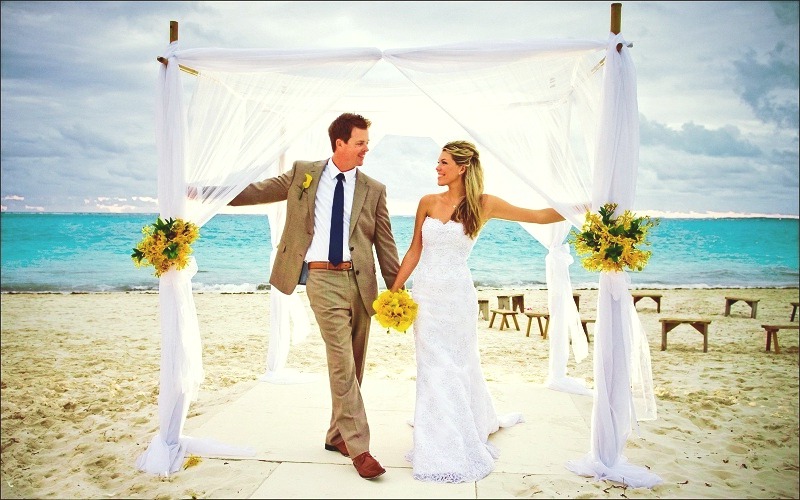
Elopement photography is part of the same shift toward smaller, location-led celebrations. Confirm early whether the photographer travels, what the travel fee covers, and whether they’ve shot in similar light before.
Same-day edits and social-first content
A same-day edit at a wedding is a short highlight reel shown at the reception, and it’s back in demand rather than fading out. Vertical clips for Instagram and TikTok are increasingly requested too, which is why couples now hire a wedding content creator alongside the main photographer. That keeps the lead focused on covering the day. Decide before booking whether you want this, since it changes the team size and the quote.